|
|
*Buying and Selling only the BEST
in Fancy
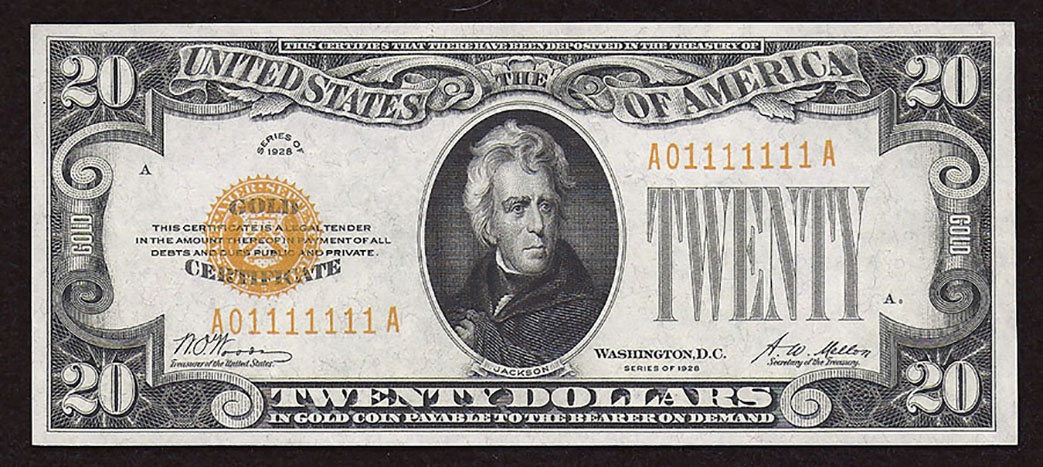
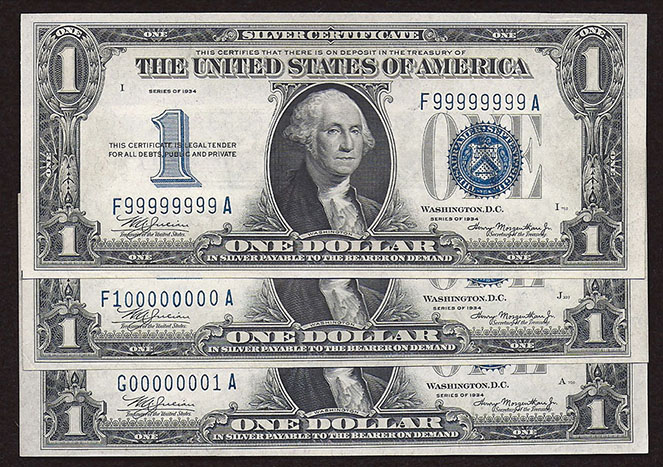
Serial Numbered US Currency*
USA Rare was founded in 1998 and became one of the
first web
based
companies specializing in fancy serial numbered currency and the buying
and selling of Rare U.S paper money. Building upon 53 years of combined
experience in numismatic collectibles, USA Rare was formed to leverage
traditional collecting and dealing activities with the emerging market
opportunities available through the web. Today USA Rare is one of the
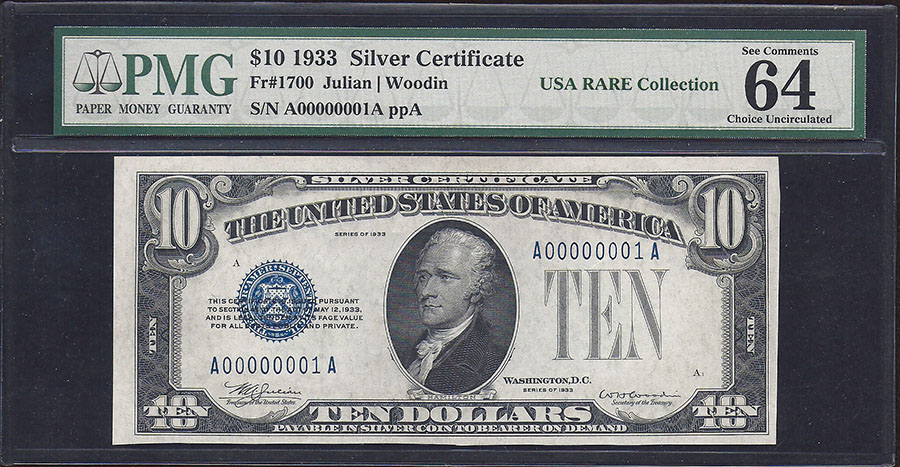
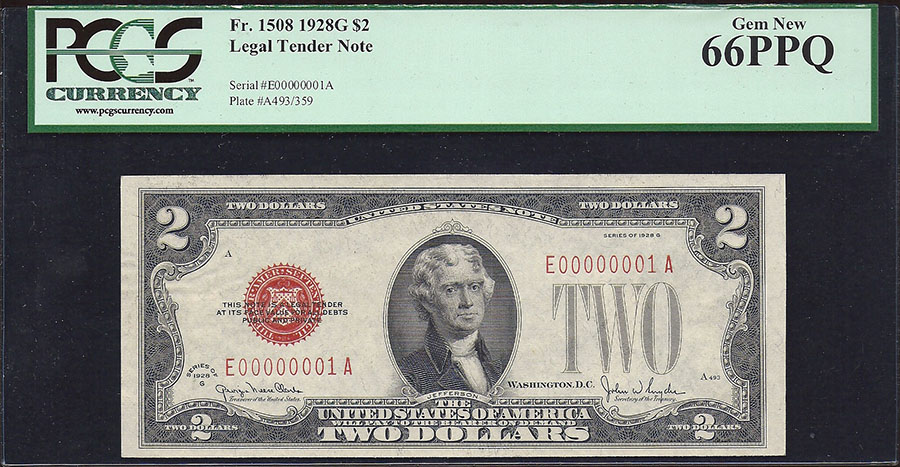
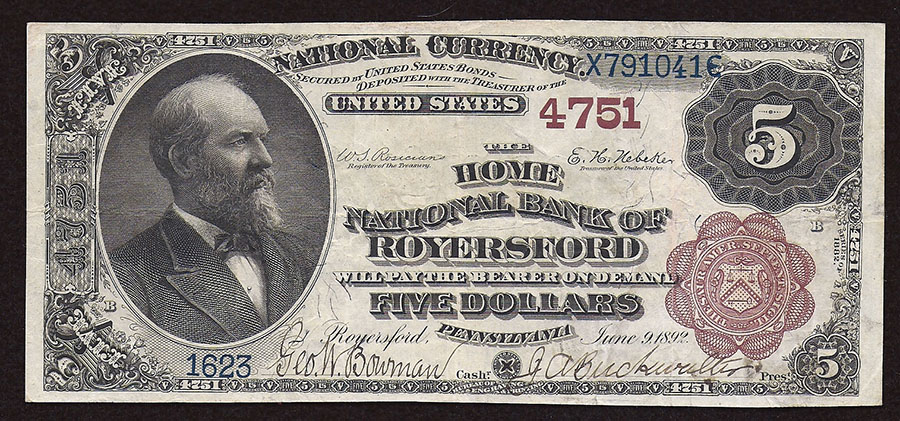
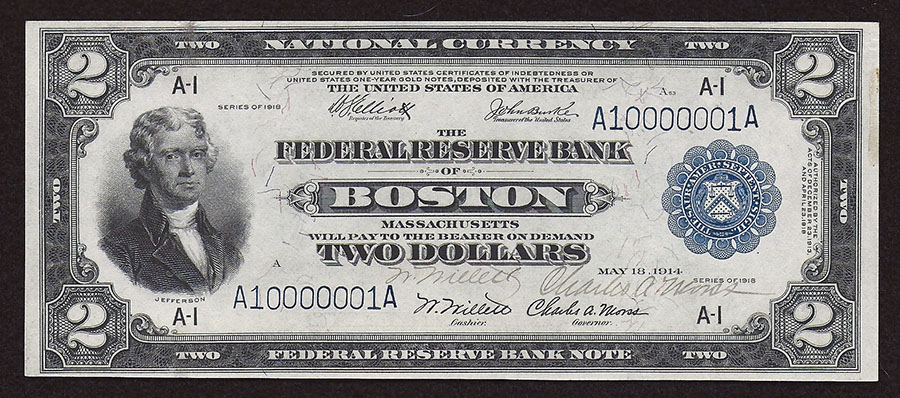
largest dealers of US currency in the country. Over the decades of collecting and buying for clients we have put together some of the rarest types of fancy serial numbers ever assembled. Flagship sets, serial #1 denomination sets, solid serial number sets, nine digit notes. With a major inventory of doubles and triples those notes soon found there way onto this website. Growing over the years we have expanded into other interests such as high denominations, nationals, and a much bigger inventory of large size type notes. Our combined experience in the collecting community we can help in finding that special note you've been looking for. Category your collection to making it fit best for when it's time to let it go. Purchase notes from auction houses rather than buy them retail from other dealers. Give you the right opinions towards making the right decision on that next purchase. Knowledge is king. Never let anyone tell you different. Please enjoy our web site.
William Baeder
Jr. VP.
Sales Department. Usarare@bellatlantic.net Fun Show Members Since 2003. Chester County Currency Club Life Members #126 Society Of Paper Money Collectors Members. Michigan Paper Money Club. American "ANA" Numismatic Members. William Penn of Philadelphia Members #111 Ebay.com Power seller Since 1998. #900 + POSITIVES |
| Thoughts
about grading at Usarare.com. With looking at thousands of notes over the years we have found the differences in notes that are original vs notes that have problems. We can detect with the naked eye notes that have been processed. We believe that 65 percent of the notes in the currency market have been at one point have been processed. Below is a selected grading scale we use on our raw notes. We look at the notes the best we can in the third party holders. It's there opinion that stands behind the notes they grade. However Usarare will still allow you to return the note is your unsatisfied. Satisfaction is a must. |
| *GEM* #65 or
higher Gem
Uncirculated: Fresh from the
day it was printed.
Centered just about near perfect or perfect. Paper quality must be all
there. No imperfections, No smudges, corners must be sharp. Paper must
be bright and original. |
| *CH-CU* #63-#64 Choice
Uncirculated:
Original note, allowed to have a pinch in the paper. Centering can be
off on the front and the reverse. Must still be a bright note. |
| *AU* #50 About Uncirculated:
Minor teller
handling, allowed
up to one fold but it better be very light or hard to identify. Very
slightly
rounded corners. |
| *XF* #40 Extremely Fine:
Up to
three light
folds. Corners rounded, or more like saying more pronounced, Note
has some gleam to it but not allot! Embossing is still evident.
Massive
handling on the note but no real folds could be considered XF. |
| *VF* #20-30 Very Fine:
Several folds
and wrinkle's
throughout the note. No tears, slightly soiled from handling. Has some
crispiness left. Ink maybe lightly faded. |
| *F*
#12-15 Fine:
Wear all
around.
Paper may
have the following to a point, dirty, pinholes, tears, staple holes.
Colors
are clearly enough to identify. |
| *VG-G* #8-10 Very Good: Severely
rounded
corners, staining, discoloration. Very good notes also can be
tattered. No portion of the note may be missing.....or it's
considered damaged! |
| 3RD PARTY
GRADING OVERVIEW. Courtesy of P.C.G.S Currency. Our mission at PCGS Currency is to provide the most consistent, unbiased third-party opinions concerning the authenticity and grade of collectible United States currency. In doing so, we intend to create standards that are strict, fair, and realistic in terms of market dictates and demands. Instead of focusing on terms such as “market grading” versus “technical grading”, we have decided instead to take a pragmatic approach to the grading of collectible currency with all the inherent problems and challenges that are involved. Grading currency is not as simple as it might appear. Grading involves aspects of both art and science. Counting the folds in a piece of currency is a relatively easy task, but determining eye appeal and what a note in a certain grade should "look" like takes time, experience, patience, practice, and a certain level of common sense. While the determination of centering and the broadness of margins seems simple (sometimes deceptively so), there are many gray areas involved in the grading process that are not easily tackled. Paper, even of the quality used to print U.S. currency, is ultimately a fragile material that is subject to the abuses of circulation, wear, mishandling, aging, or even severe damage or destruction. Because of its pliable and fragile nature, currency has been subject to many attempts (both well-meaning and malicious) to improve notes both in appearance and grade. Some of these attempts are laudable in that otherwise unattractive and non-collectible specimens of great rarity have been restored to an appearance that makes them far more acceptable to collectors. Other attempts at “improvement” have resulted in the effective destruction of many notes. In between these extremes are the gray areas,dealing with which is much more difficult. Good note restorers are sometimes capable of amazing feats, and even the best experts are sometimes hard-pressed to determine what (if any) work has been done to a note. A minor corner bend or light fold can sometimes be removed with careful and skillful work so that even the closest examination cannot reveal its previous existence. Many notes that have been lightly circulated now appear to be fully New or uncirculated, as they have been pressed or ironed out. Pinholes can be filled or closed, handling marks or finger smudges can be erased, ink marks or stains can be lightened or removed entirely, tears or splits can be closed, and virtually any problem can be attacked to improve the appearance or remove its visual signs. Sometimes, the skill with which these repairs or restorations are executed makes detection difficult or even impossible. The problem is not so much the existence of these gray areas, but their impact on a note’s value. While purists cringe at the fact that many notes that were once AU or even XF are now sold as uncirculated, it boils down to fundamental economics. When a circulated note is pressed and the folds are entirely removed, it again appears “uncirculated.” Because the market currently dictates that most notes are worth more as pressed “uncirculated” notes than in their original state, such restoration is financially rewarded. Any time profit is available the opportunity will be exploited. If the demand remains for such pressed notes, supply will follow and restoration will continue. In the 1970s and early 1980s many uncirculated notes were pressed out flat as a board to remove the original paper wave and embossing that, at the time, was considered a “defect.” Today, while the proponents of paper originality and embossing seem to be in the majority, this may not always be the case. How one approaches this problem is the basis for a reasonable and consistent grading standard. To ignore the problem would be a disservice to those in the marketplace who currently value originality. To place too much blame or detraction upon those notes that are truly beautiful and highly collectible, yet are not wholly original, would be a disservice. Many estimates of the numbers of large size type notes that have been restored in some fashion or another run so high that the supply of truly original notes might be so low as to preclude their collectability. Below is a summary of the approach we will use in assigning a PCGS Currency grade. It is followed by the specific numerical and adjectival nomenclature that we will use in assigning a grade. Different notes may receive the same grade for different reasons, and all notes with a specific numerical grade may not appear identical. |
![]() |
![]() |
![]() |
![]() |
![]() |
![]() |
![]() |
![]() |
![]() |
![]() |
![]() |
![]() |